01Sarkar Printer · Jaipur · Serving Bikaner
02Bring your product, business or campaign brief into focus with commercial print planned around how it will be used. Sarkar Printer is based in Jaipur and serves businesses in Bikaner from Jaipur, with print options discussed against your quantity, format, artwork and delivery needs.
03Share a reference, rough quantity or print-ready file. We can start with the details you already have.
04A useful printed piece begins with its job. A product catalogue must make information easy to browse; a package needs to present the product and carry its identity; business stationery should keep everyday communication recognisable. Before choosing a format, paper or finish, define who will handle the print, where it will be used and what the piece needs to communicate.
05For a Bikaner enquiry, the conversation can happen remotely and production planning is coordinated from Jaipur. Tell us if the work is for a shop, office, event, product line, distribution team or another use. We will review the information you share, clarify open specifications and discuss an appropriate print route before a quotation is prepared.
06This page is a practical starting point for businesses searching for a printing press in Bikaner . It explains the information that helps a printer plan accurately, the product formats that can be discussed and the steps from first note to approved specification.
07Different jobs need different physical formats. Use these examples to describe the outcome you want; final stock, size, quantity, finishing and production details are confirmed against the actual brief.
08Catalogue, brochure and prospectus enquiries can start with the amount of information, page count, image mix and audience. Share whether the piece will be handed out, mailed, displayed at a counter or used by a sales team. A clear hierarchy, legible type and consistent imagery help readers find the next relevant detail. If the content is still being developed, tell us; the print brief can still capture likely size, page range and quantity so planning begins with useful assumptions rather than guesswork. See our catalogue and prospectus printing page for a related format reference.
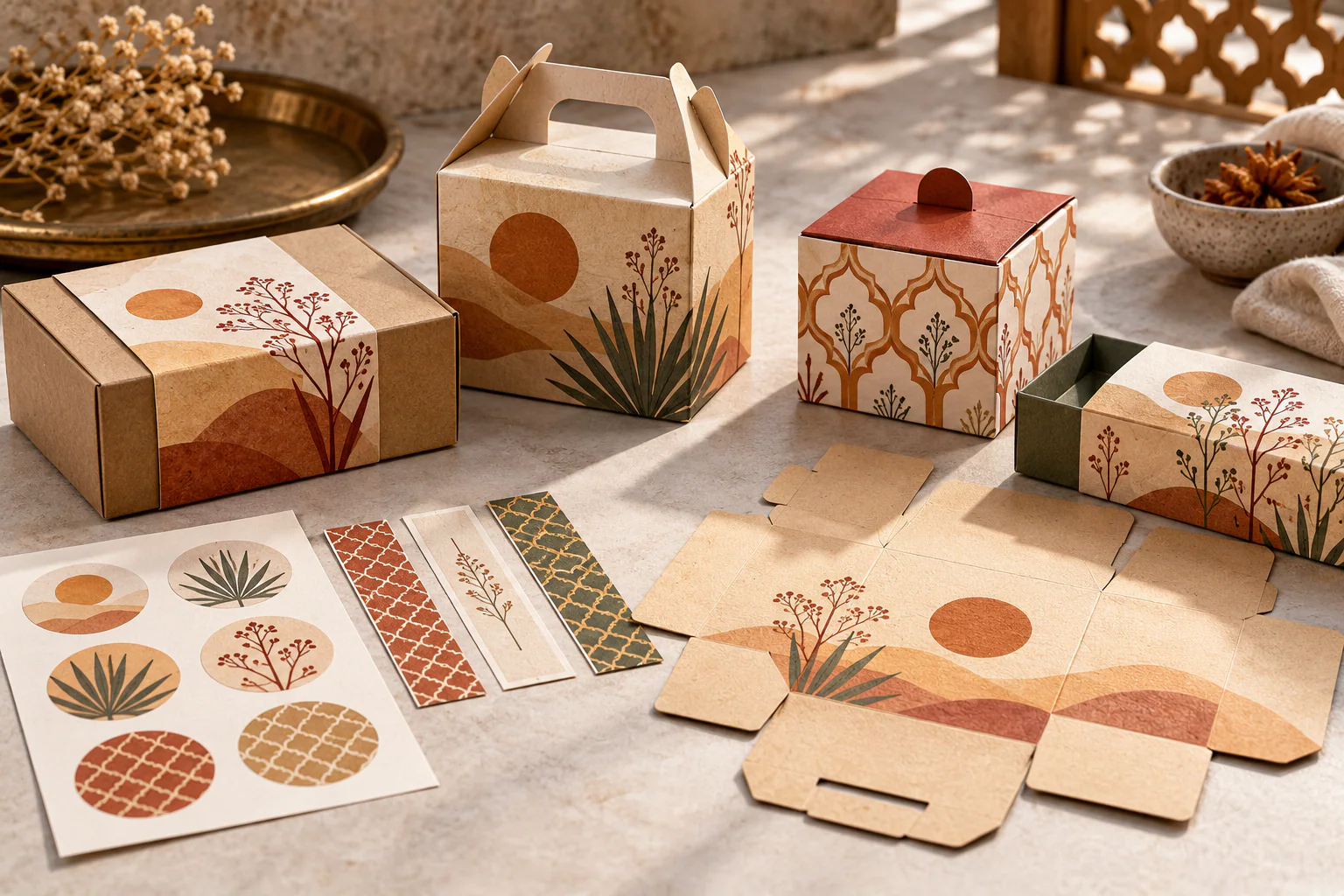
09Packaging enquiries benefit from the product’s dimensions, approximate weight, how it will be packed and how customers will carry or store it. Explain what needs to appear on the pack, what information must remain readable and whether you already have a dieline or reference sample. The final construction and material depend on the product and specification; a visual mockup is a useful conversation aid, not a substitute for confirming measurements and production details. Explore our printed boxes and slip pads or paper carry bag printing references.
10Letterheads, visiting cards, notepads and related stationery often work best as a coordinated family. Send your logo, existing brand guidelines and the list of pieces you want to order together. Mention which details change from one item to another and which must stay fixed. We can discuss how to carry the same identity across formats while leaving enough room for names, addresses, product information or written notes. For a reference, view our business stationery printing page .
11Books, booklets, menu cards, calendars, flyers, tickets and event material each have a different reading pattern and handling context. For a bound piece, share the intended length and how often it will be opened. For menus or campaign material, explain where the print will be placed and whether it needs to be updated later. Tell us which parts are fixed and which are seasonal. These practical details help compare format options before artwork is final. Related examples include brochure printing and digital printing .
12A product name alone is not enough to plan a dependable print job. The same item can be produced in different sizes, stocks and finishes, and each choice changes how it feels, reads and fits its use.
13Start with the finished dimensions and quantity if known. Add the number of pages or panels, intended audience, whether the item needs to fold or bind, and any finishing reference you have. If you are comparing options, tell us what matters most: cost control, colour consistency, a premium hand-feel, clear small text, easier distribution or repeat ordering.
14People often ask whether offset or digital printing is better. The useful answer depends on the quantity, schedule, artwork, substrate and consistency requirements for that particular job. Instead of selecting a process from a generic rule, share what will be printed and the approximate run. The printer can then discuss which route is suitable and whether a proof, sample or further specification is needed before proceeding.
15For a repeat order, include the previous job reference if you have it. Mention whether the earlier stock, colour appearance or finishing should be repeated or adjusted. When a new design is involved, share the current artwork and point out any parts that must match an existing brand colour or printed piece. A reference helps start the discussion; it does not replace a final production approval.
16Our offset printing and digital printing pages provide additional context for these options.
17From first note to dispatch planning
18A little structure at the beginning helps both sides make decisions in order. The scope and delivery plan are confirmed with you before an order moves ahead.
19Tell us the product, business use, approximate quantity and your target date. You can begin with an idea, a reference photo or a finished design.
20We identify missing details such as size, page count, paper preference, artwork status, finishing, packing needs and the destination.
21Based on the job, discuss an appropriate production approach, available specifications and whether a proof or sample review is needed.
22Review the stated quantity, specification, included work, delivery terms and quote validity. Ask questions before approving the scope.
23Review the final copy, placement, dimensions and any proof carefully. Approval should come from the person responsible for the brand or project.
24After production details are agreed, confirm packing and delivery arrangements for the Bikaner destination with the team.
25Print files are easiest to assess when the latest version is clearly identified and the brief explains what to check. If a designer has supplied artwork, ask for the print-ready export and, where available, the editable source file. Keep images linked or embedded as instructed by your designer, and include any fonts or assets required by the agreed hand-off method.
26For a PDF, check the page size and page order, confirm that all intended pages are present, and inspect the file at full size for missing images or text. If a bleed, crop marks or a particular colour setup is required, confirm that with the print team or designer rather than guessing. For packaging, include the correct dieline version and keep design elements on the intended panels.
27Send a short note with the file name and version, final quantity, size, stock or finish reference and delivery destination. If the file is not ready, share what you have and clearly label it as a draft so it cannot be mistaken for production artwork.
28It is completely fine if some answers are not ready. Mark them as undecided. That makes it easier to separate confirmed requirements from questions that still need a recommendation.
29Sarkar Printer is based in Jaipur and serves Bikaner from Jaipur. This page does not represent a Bikaner branch or local office. Share your brief remotely and the team can discuss the scope and delivery arrangements for your Bikaner destination.
30You can ask about catalogues, brochures, prospectuses, business stationery, printed packaging, carry bags, books, booklets, menu cards, calendars and campaign or event material. Final suitability depends on the product, artwork, quantity and production specification.
31Include the product or format, approximate quantity, finished dimensions, page or panel count, paper or finish preference, artwork status, delivery location in Bikaner and target date. Add a reference image or previous print sample if available. If a detail is undecided, say so rather than guessing.
32Yes, you can start with the concept, content status, references and estimated specification. The team can discuss what information is needed before a print-ready file is approved. The final scope of any design or prepress support should be confirmed as part of the enquiry.
33There is no single process that suits every job. Quantity, format, material, schedule, artwork and consistency needs all matter. Share those details and ask the team to review the options for your specific print rather than choosing solely by a general rule.
34Production and delivery timing depends on the approved specification, artwork readiness, quantity, schedule and dispatch arrangements. Share the date you are working toward; timing and delivery terms should be confirmed with the quotation before you approve the job.
35Price and practical order quantities depend on the product, size, stock, number of pages, finishing and production route. Send the quantity you have in mind and ask for a quote against that specification. This page does not publish a universal price or minimum that may not fit your job.
36Send the product type, approximate quantity, available artwork and destination. We are based in Jaipur and can discuss the specification and dispatch plan for your Bikaner requirement. You do not need a complete production file to make the first enquiry; clear notes about the job are enough to begin.
37For a faster first review, include a reference sample and call out the decisions you have already made. If you are still comparing sizes, paper feel or finishing, say what the print needs to achieve and which trade-offs matter most. The team can then discuss the open choices before a final specification and quotation are agreed.